
Related Posts
![]() How Surface Defects Such as Scabs, Pits and Rolled-In Scale Affect Steel QualityThis article explains how common steel surface defects such as a scabs
How Surface Defects Such as Scabs, Pits and Rolled-In Scale Affect Steel QualityThis article explains how common steel surface defects such as a scabs Why Steel Procurement Planning Should Start Before Project Design Is FinalizedThis article explains why early steel procurement planning helps reduce project risks, improve cost control, and ensure timely material availaility, while highlighting how Taigang Steel supports customers with reliable and customized steel solutions.
Many companies wait until engineering drawings are complete before purchasing steel. While this approach may seem logical, it can actually create unnecessary delays, higher costs, adn supply chain risks. In today's fast-moving construction and manufacturing industries, sucessful projects often begin with early procurement planning. Think of planning a long road strip. You don't wait until the day you leave to check your vehicle, book hotels, or map your route. The more preparation you do in advance, the smoother the journey becomes. Steel procurement follows the same principle. How Steel Manufacturers Perform Online Quality Monitoring During ProductionThis article explains how online quality monitoring helps steel manufacturers maintain consistent product quality during production and how Taigang Steel uses advanced monitoring systems to deliver reliable steel products.
Producing high-quality steel is not just about inspectiong the finished product-it's about monitoring quality every step of the way. Modern steel manufacturer no longer wait until production is complete to identify potential problems. Instead, they rely on online quality monitoring systems that track critical production datain real time. Think of it like a GPS for the manufacturing process. Rther than correcting mistakes after taking a wrong turn, the system constantly guides production in the right direction. This proactive approach helps ensure every steel plate meets strict quality standards while improving efficiency and reducing waste. How Steel Manufacturers Ensure Consistent Yield Strength Across BatchesThis article explains why consistent yield strength is essential in steel manufacturing, how manufacturers maintain batch-to-batch consistency, and how Taigang Steel delivers dependable steel products for industrial applications.
 How to Improve Steel Procurement Efficiency for Industrial ProjectsThis article explores practical ways to improve steel procurement efficiency for industrial projects, helping businesses reduce costs, avoid delays, and achieve better project outcomes while introducing Taigang Steel as a reliable steel supplier.

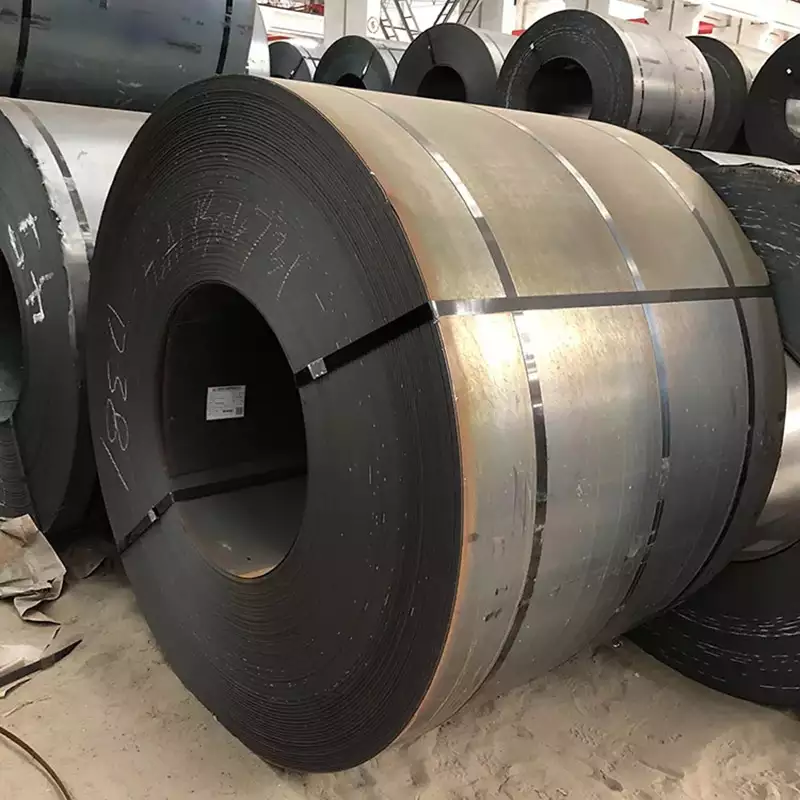
You paid extra for stainless steel because you wanted something that wouldn't rust. So why are those ugly orange spots staring back at you? I get this question all the time, and honestly?
Most people are shocked by the answer. Here's the truth they don't tell you: stainless steel isn't "stain-proof." It's just "stain-less." Let me explain what's going wrong.
The Passive Layer: Your Steel's Invisible Shield
Think of stainless steel like a knight wearing armor. That armor is a super-thin, invisible layer of chromium oxide. It heals itself when scratched—amazing, right? But here's the catch. If something
blocks that layer from reforming, your knight fights naked. And naked steel rusts. Fast. The real question isn't "is it stainless?" It's "what's attacking that protective shield?"
Chlorides: The Silent Killer
Pool chemicals. Road salt. Bleach cleaners. Seawater mist. These all contain chlorides, and chlorides eat stainless steel for breakfast. I've seen beautiful stainless railings near a pool turn into rusty
messes in six months. You wouldn't pour salt on a fresh wound, right? Chlorides do exactly that to your steel's passive layer. If you're near the coast or using harsh cleaners, standard stainless won't
cut it.
Carbon Steel Contamination: A Common Mistake
Here's one that catches even experienced buyers. Someone uses a wire brush or grinding wheel that previously touched regular carbon steel. Those tiny carbon steel particles embed into your stainless
surface and rust like crazy. It's like spilling red wine on a white carpet—a little contamination ruins the whole look. Always use dedicated stainless tools. Your steel will thank you.
Wrong Grade for the Job
Not all stainless steel is created equal. 304 grade works fine for kitchen sinks and indoor trim. But put 304 outside near the ocean? It'll cry uncle within a year. That's where 316 grade comes in—we call it
"marine grade" because it contains molybdenum, which fights chlorides like a champ. Choosing the wrong grade is like wearing a raincoat in a hurricane. You need the right armor for the right fight.
Poor Welding and Finishing
Welding generates heat that changes the steel's chemistry right next to the weld. If you don't clean and passivate those heat-affected zones, they'll rust while the rest of your steel looks fine. I call these
"rust highways"—ugly brown lines following every weld bead. Proper post-weld cleaning isn't optional. It's essential.
How Taigang Steel Gets It Right
At Taigang Steel, we don't just sell coils and sheets. We ask where you're installing, what chemicals you're using, and how you're fabricating. Then we help you pick the right grade—304, 316, 430, or something
specialized. No guesswork. No "one size fits all" nonsense.
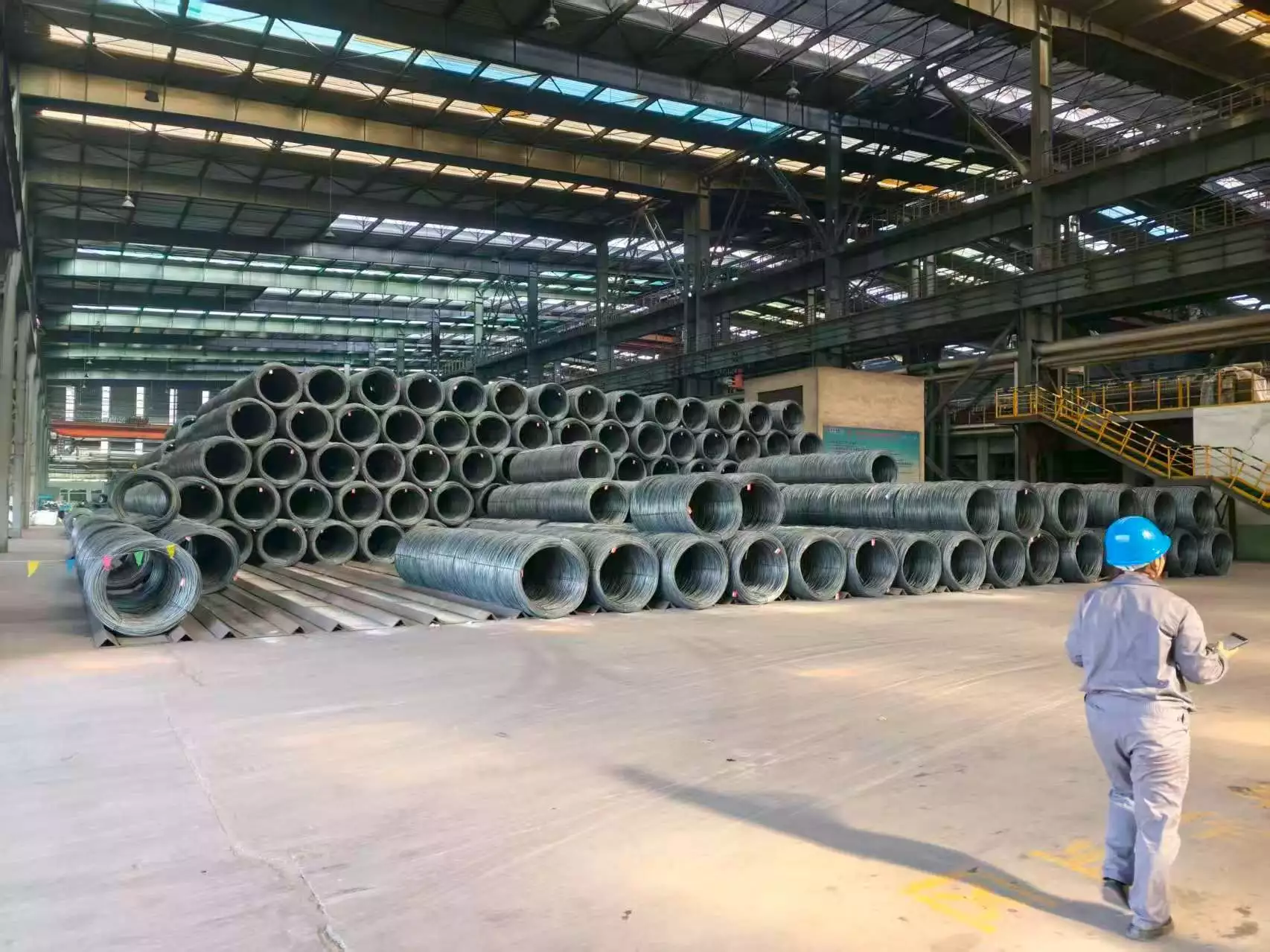
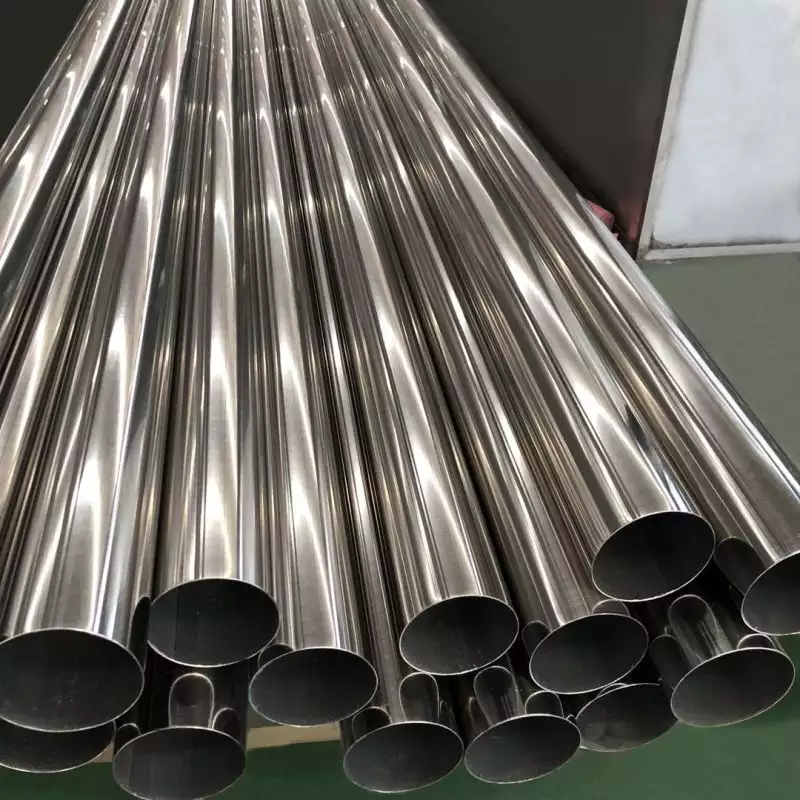
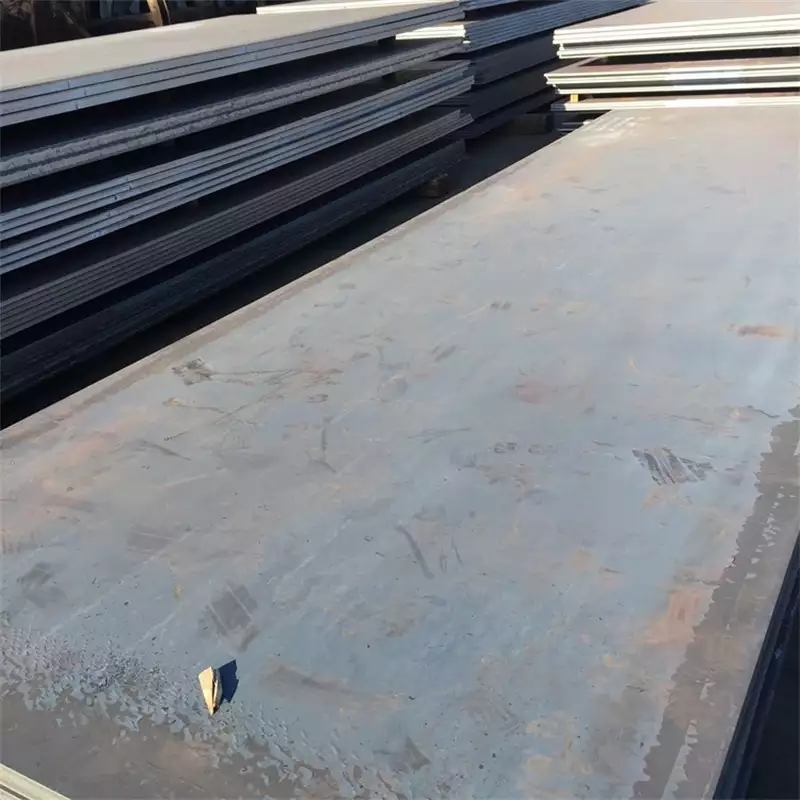
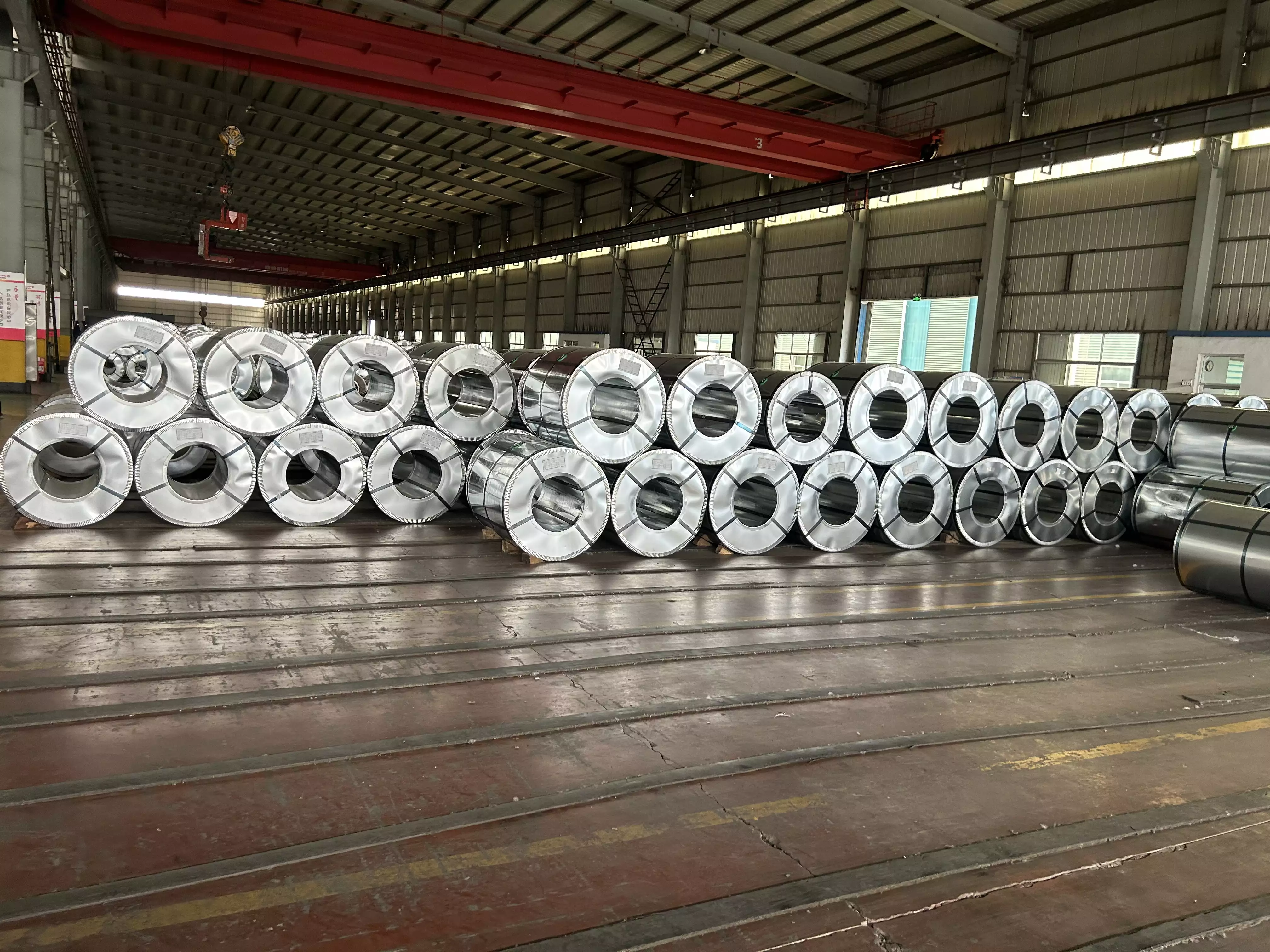
At Taigang Steel, we have Carbon Steel, Stainless Steel, Galvanized Steel, Flat Square Steel, Steel Rebar, Profile, Wire Rod, Corrugated Roofing Sheet, Ductile Iron Pipe.
The good news? Most rust problems are fixable. Better news? They're totally preventable.

NEED HELP?
We are always here to help
If you are interested in our company and our products, you can also communicate with us through request form submission, send email, call us!
Taigang will be happy to provide you with some product information and application knowledge, as well as the the 24 hours quick response.